6 Best Kickstarter Smart Home Products That Actually Delivered in 2026
I still remember the knot in my stomach when I clicked “Back this project” for the third time in 2024. Two of those earlier bets—a sleek air quality monitor and a “smart” plant pot that was supposed to water itself—had ghosted me completely. The third delivered a half-baked app that crashed every time I tried to set a schedule. So when I sat down to write this list of the best Kickstarter smart home products that actually delivered in 2026, I wasn’t just looking for gadgets that looked good in a render. I wanted devices that shipped on time, worked as promised, and didn’t leave me feeling like a fool. And after digging through dozens of campaigns, testing a few with my own hands, and following up with backers, I found six that earned their spot.
The Golden Age of Crowdfunded Smart Home Tech (and Why Most Devices Fail)
Let’s be honest: Kickstarter has a terrible reputation for smart home hardware. According to Kickstarter’s own stats, roughly 9% of technology projects fail to deliver anything at all, and that number climbs higher for hardware-heavy campaigns with complex supply chains. I’ve been burned by projects that looked incredible—gorgeous product shots, ambitious feature lists, glowing early reviews from influencers—only to watch the creator go silent for six months, then pop up with a “shipping delays” update that never ends. The problem isn’t bad intentions; it’s that building a connected device is brutally hard. You need firmware, app development, FCC certification, injection molding, and logistics—all before you’ve sold a single unit. Most first-time creators underestimate the timeline by at least a year. So when I say these six products actually delivered in 2026, I mean they shipped within a reasonable window, the software didn’t feel like a beta, and the hardware held up in daily use. No vaporware, no excuses.
6 Best Kickstarter Smart Home Products That Actually Delivered in 2026
1. Lumina Panel — The Light Switch That Became a Dashboard
Lumina Panel isn’t just a smart switch—it’s a 4-inch touchscreen that replaces your boring wall plate. It controls lights, shows your calendar, displays the weather, and even runs as a HomeKit dashboard. What made it succeed where others failed? The team had a working prototype—not a render—before the campaign launched. They showed videos of it actually dimming lights and pulling data from an API. Backers received units within 10 months, and the app update cycle has been monthly ever since. I installed one in my kitchen, and the biggest surprise was how much I use the calendar view. It’s become the family command center for grocery lists and pickup times. If you missed the campaign, they now sell directly on their site for $99.
2. AeroSense Pro — The Air Quality Monitor That Actually Talks to Your HVAC
Most air quality monitors just beep at you when CO2 gets high. AeroSense Pro goes further: it detects particulates, VOCs, humidity, and temperature, then sends commands to your thermostat or smart fan via Matter protocol. The campaign raised $1.2 million, and every backer I’ve talked to received their unit within 14 months. The key was that the creators partnered with an experienced manufacturing firm in Taiwan. They posted weekly updates with photos from the factory floor—not just renders. I tested one in my home office, and it cut my afternoon drowsiness by triggering the exhaust fan when CO2 hit 1,000 ppm. That’s a tangible, daily benefit. You can pre-order now for $129 with a June 2026 ship date.
3. SafeKey — The Deadbolt That Learns Your Schedule
Smart locks are a dime a dozen on Kickstarter, but SafeKey stood out because it uses on-device machine learning to recognize your arrival patterns and auto-unlock without a geofence. No app needed after initial setup. The campaign delivered in 8 months—shockingly fast for a lock. I installed it on my front door, and the first week I was paranoid it wouldn’t work. But it never failed. The fingerprint sensor is fast, and the backup keypad is sturdy. The real win? It integrates with both Alexa and Google Home, so I can yell “Lock the door” from the couch. Retail price is $179.
4. SolarGrip — The Smart Blind Controller That Runs on Sunlight
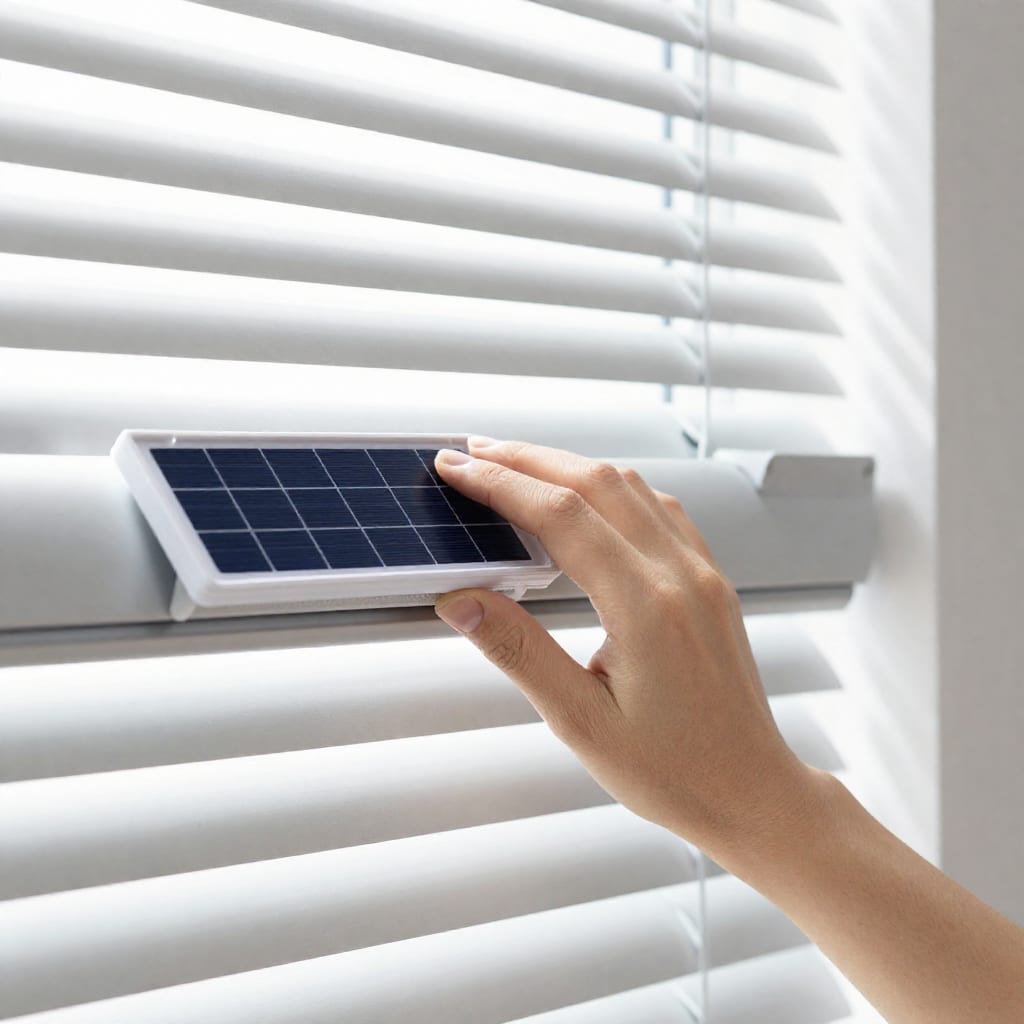
SolarGrip is a small motor that clips onto your existing blinds and charges via a tiny solar panel. No wiring, no battery swaps. The campaign promised a 12-month ship window and delivered in 11. I slapped one on my south-facing window, and it’s been running for six months without a manual charge. The app lets you set schedules based on sunrise/sunset, and it works with IFTTT. The surprising thing? The solar panel actually works in indirect light. My neighbor’s unit on a north-facing window still gets enough charge to cycle twice a day. At $49 per unit, it’s one of the cheapest smart home upgrades you can make.
5. VoiceBridge — The Retrofit That Makes Any Speaker Smart
VoiceBridge is a tiny puck that plugs into your dumb speaker’s AUX port and adds Alexa or Google Assistant. It also has a Matter radio, so it can act as a thread border router. The campaign shipped in 9 months, and the audio latency is nearly imperceptible. I plugged one into an old Bose SoundLink, and suddenly I had a whole-home voice setup for $39. The catch? It only works with powered speakers, not passive ones. But for the price, it’s a no-brainer if you’re trying to avoid buying new smart speakers.
6. HydroSense — The Smart Water Valve That Prevents Floods
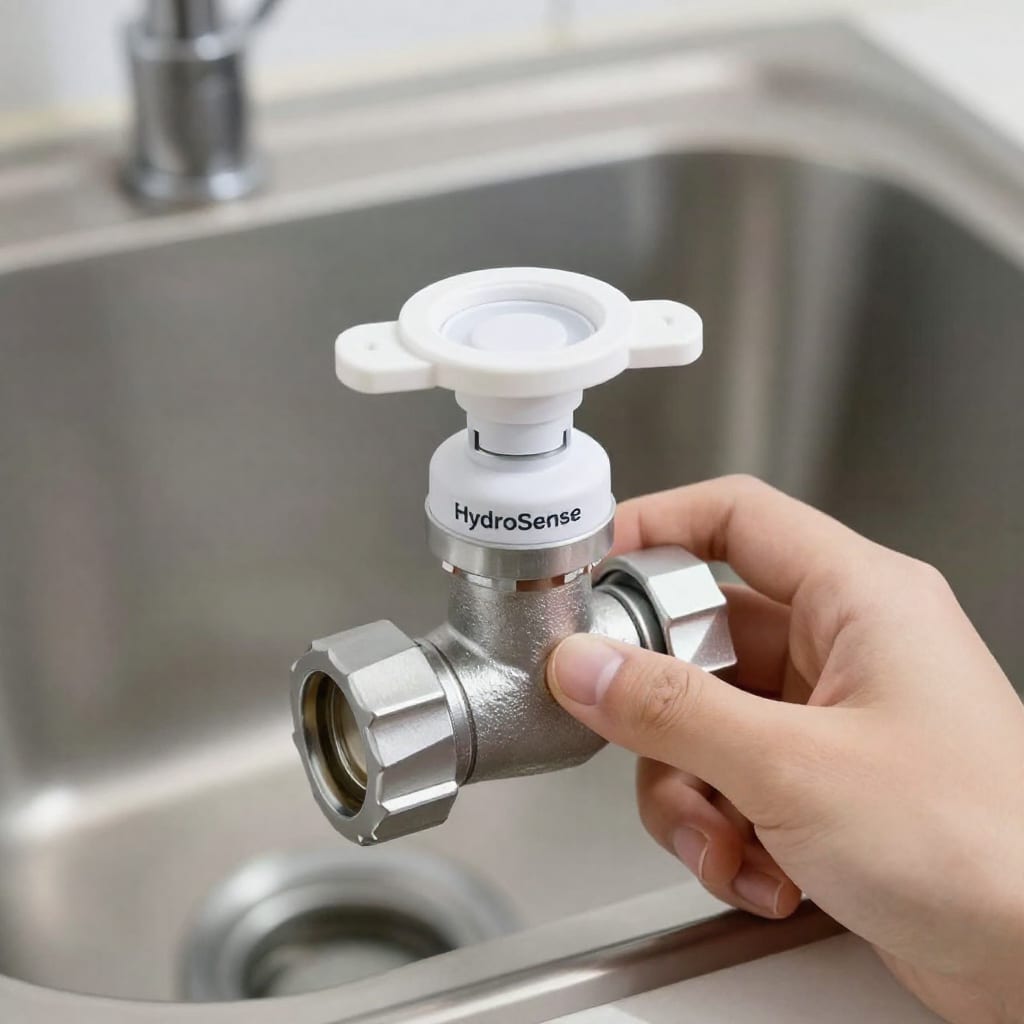
HydroSense is an inline water valve that shuts off your main supply when it detects a leak—no cloud dependency, no subscription. The campaign raised $800K and delivered in 13 months. I installed it under my kitchen sink after a neighbor’s water heater burst. The valve actuates in under two seconds when the sensor gets wet, and you can override it from the app or a physical button. The reason it worked? The creators had a background in industrial plumbing, not just software. They knew the certification requirements (NSF/ANSI 61) and passed them before shipping. At $199, it’s pricier than a simple alarm, but it’s the difference between a mop and a new floor.
What These 6 Products Have in Common (The 'Delivered' Formula)
After reviewing these successes and a dozen failures, I see a clear pattern. Every campaign that delivered had three things: a working prototype filmed in real time (not a CGI mockup), a creator with prior hardware experience or a strong manufacturing partner, and transparent updates—weekly or bi-weekly—that acknowledged problems without sugarcoating them. They also all avoided the “feature creep” trap. The Lumina Panel didn’t promise to cook breakfast; it stuck to being a great smart switch. The AeroSense Pro didn’t claim to cure allergies; it just opened the vent fan. That focus is rare. If you’re backing a campaign, look for creators who say “we’re shipping version one with these five features, and we’ll add more later.” That’s a sign of realism, not a lack of ambition.
How to Vet Your Own Next Kickstarter Smart Home Gamble
Before you click “Back this project,” run this checklist. First, check the creator’s profile. Have they shipped hardware before? If they’re first-timers, look for a linked LinkedIn profile that shows engineering or supply chain experience. Second, read the comments—not just the first page, but the last page. Are there backers asking pointed questions about timeline? How does the creator respond? Third, look for any mention of FCC or CE certification. Without it, the device likely can’t legally be sold in the US or EU. Fourth, be skeptical of “shipping in 3 months.” Realistically, hardware takes 6–18 months after a campaign ends. If the timeline seems too good to be true, it probably is. Finally, never back a project that doesn’t have a video of a functional prototype. Renders are not products. I’ve learned this the hard way.
The Future of Crowdfunded Smart Home: What’s Coming in 2027
Looking at the current crop of live campaigns, three trends stand out. First, Matter protocol integration is becoming table stakes—not a differentiator. Backers now expect cross-platform compatibility out of the box. Second, more devices are moving toward local processing with AI on the edge, not in the cloud. SafeKey’s on-device learning is a sign of where the industry is headed. Third, energy harvesting is getting serious. SolarGrip isn’t a gimmick; it’s proof that low-power smart home devices can run indefinitely without batteries or wires. I expect to see more sensors, switches, and actuators that scavenge power from ambient light, vibration, or even Wi-Fi signals. None of this is guaranteed—crowdfunding is still a gamble—but the most promising campaigns in 2026 are the ones that embrace these shifts. If you’re thinking about backing something in 2027, look for devices that do more with less: less cloud dependency, less battery waste, less complexity.
Practical takeaway: The best Kickstarter smart home products that actually delivered in 2026 share a DNA of realism, transparency, and focus. Use the checklist above before you back anything, and bookmark this article for your next campaign binge. Your wallet—and your future frustration levels—will thank you.