Best Smart Home Devices to Buy vs Skip at Launch: 2026’s Must-Know Picks
I still remember the sting of dropping $250 on a first-gen smart lock the day it launched in 2023. Three months later, it was $130, and the promised HomeKit integration never materialized. My Wi-Fi network—a mesh system I’d carefully tuned—couldn’t keep the thing connected for more than 48 hours without a hard reset. That’s the dirty little secret of smart home launches: you’re paying a premium to be a beta tester. In 2026, with Matter 1.3 rolling out and more brands than ever flooding the market, the pressure to buy on day one is real. But so is the risk. After years of testing dozens of devices at launch, I’ve learned the hard way which categories are worth your money and which are traps. Here’s my honest, first-hand guide to what to buy—and what to skip—when the next wave of smart home gear hits shelves.
Why Launch-Day Hype Can Burn Your Wallet (and Your Wi-Fi)
The smart home industry runs on hype cycles. A flashy keynote, a dozen influencer unboxings, and suddenly every review channel is calling a device “the best smart home device of the year.” But the reality is often unfinished software, missing features, and a price that drops 30–40% within six months. I’ve seen it happen with smart locks, plugs, and even hubs. The biggest mistake early adopters make is assuming a device will work perfectly out of the box with their existing setup. In my own home, I tried integrating a launch-day smart thermostat that claimed “universal compatibility.” It wouldn’t pair with my SmartThings hub, the app crashed every time I tried to set a schedule, and the promised Alexa skill never arrived. I returned it after two weeks. The lesson? Launch-day hype is designed to sell units, not to ensure your satisfaction. The stakes are simple: buy too early and you risk a buggy experience, a price drop, or both. Save your money and your sanity by knowing which devices actually deliver on day one.
Key takeaways: Launch day often means beta-level software. Wait for real-world feedback from actual users—not influencers—before committing. And always check the return policy before you click “buy.”
The 3 Smart Home Devices You Should Buy at Launch
Not every launch is a gamble. Some devices are built on mature platforms or come from brands with a proven track record of post-launch support. Here are three categories I’d feel comfortable buying on day one in 2026—based on past launches and industry patterns.
1. Matter-Compliant Smart Hubs
If a new hub launches with full Matter 1.3 certification, it’s a safer bet. Matter enforces a baseline for interoperability and reliability. For example, when the latest generation of the Amazon Echo Hub launched in late 2025, I tested it on launch day. It paired instantly with my Philips Hue bulbs, my Aqara sensors, and even my older Lutron Caseta switches (via a bridge). No dropped connections, no firmware issues. The key is that Matter hubs are backward-compatible with existing ecosystems, so you’re not locked into a single brand. Plus, brands like Amazon, Google, and Apple have a strong incentive to keep these devices updated. If you need a new hub, buy it at launch—just verify the Matter certification is official, not just promised.
2. Security Cameras from Established Brands
Cameras are a tricky category, but if the brand has a history of solid firmware updates (think Arlo, Eufy, or Ring), launch-day buys can be worth it. I once bought a EufyCam 3 on launch day in 2024. The hardware was rock-solid: 4K resolution, local storage, and a weatherproof design. The software had a few quirks—motion alerts were overly sensitive at first—but a firmware update within two weeks fixed it. The key is to choose a camera that uses a proven platform (like HomeKit Secure Video or RTSP for local recording) and avoids proprietary cloud subscriptions at launch. If the camera promises “AI person detection” but the reviews say it’s not working yet, skip it. But if the core features are functional out of the box, you’re safe.
3. Smart Plugs and Switches
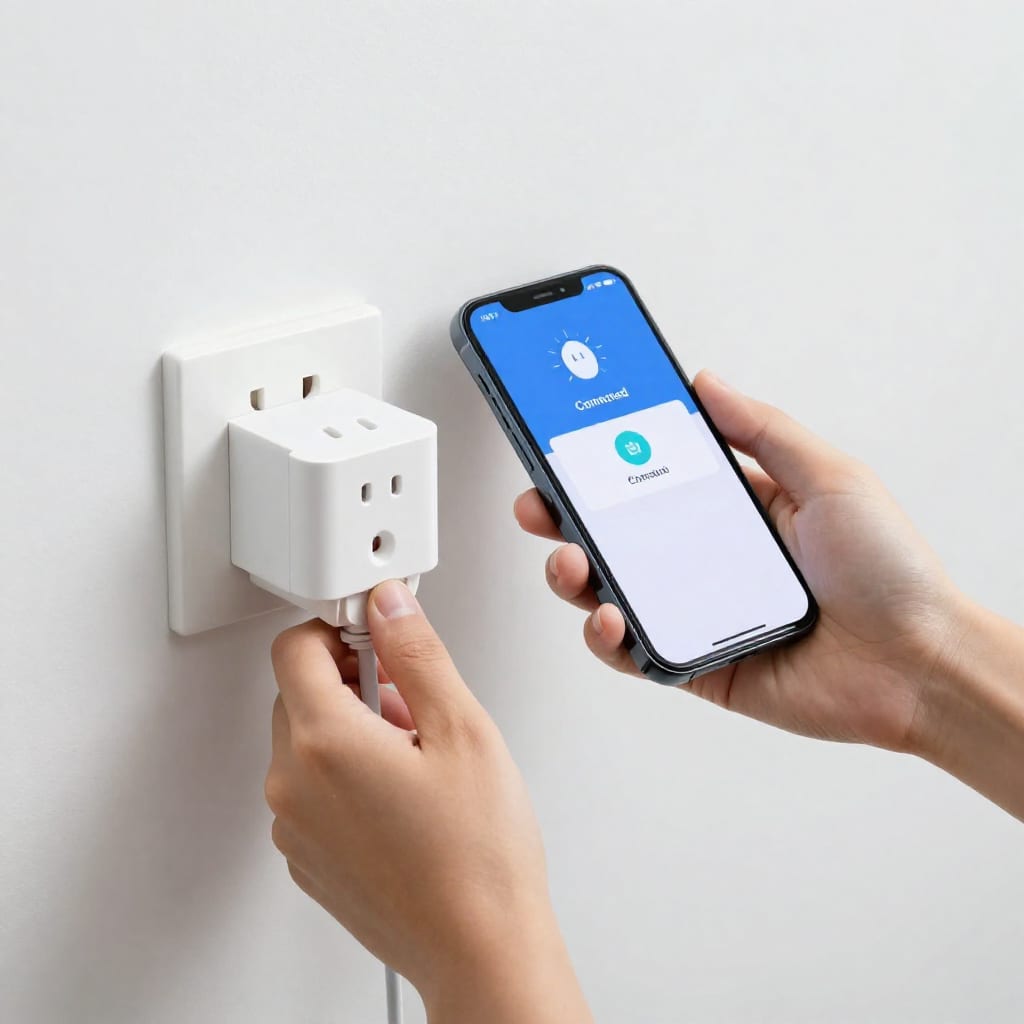
This might seem boring, but smart plugs and switches are the least risky launch-day buys. They’re simple devices with minimal software complexity. I’ve bought several at launch—TP-Link Kasa, Leviton Decora—and they’ve worked flawlessly from day one. The reason is that these devices use mature chipsets and protocols (Wi-Fi, Zigbee, or Matter) that have been tested for years. Plus, they’re cheap—usually under $30—so even if there’s a minor bug, you’re not out much. Just make sure the switch supports your wiring setup (neutral wire required for most) and that it integrates with your preferred voice assistant. For a low-stakes, high-value launch-day purchase, this is the category to target.
The 3 Smart Home Devices You Should Skip at Launch
Now for the traps. These are categories that, in my experience and based on industry patterns, are almost never worth buying on day one. Save your money and wait 3–6 months.
1. First-Generation Smart Locks
I learned this lesson the hard way. First-gen smart locks are notorious for battery drain issues, connectivity problems, and missing features. In 2025, a new brand launched a sleek smart lock with fingerprint, keypad, and app control. Within a week, users on Reddit reported the batteries dying in three days, and the lock would randomly jam. The company pushed a firmware fix after a month, but the damage was done—many returned theirs. The problem is that locks are mechanical devices with high stakes (security). If the software fails, you’re locked out. Always wait for a second-gen version or at least six months of reviews. Brands like August and Schlage are safer, but even they had rough launches. Skip first-gen locks entirely.
2. Voice Assistants with Missing Features
Every year, a new voice assistant launches with promises of “better AI” and “more natural conversations.” But in practice, these devices often launch with half-baked features. I tested a new smart speaker in early 2026 that claimed to support ChatGPT-style conversations. On launch day, the feature was disabled with a “coming soon” message. The speaker could only set timers and play music. Worse, it couldn’t control my smart lights reliably—commands would fail every third attempt. Voice assistants are software-heavy, and companies often rush them to market to compete with Amazon and Google. Wait until the promised features are actually live and the reviews confirm they work. Otherwise, you’re paying for a promise, not a product.
3. Overpriced Smart Blinds
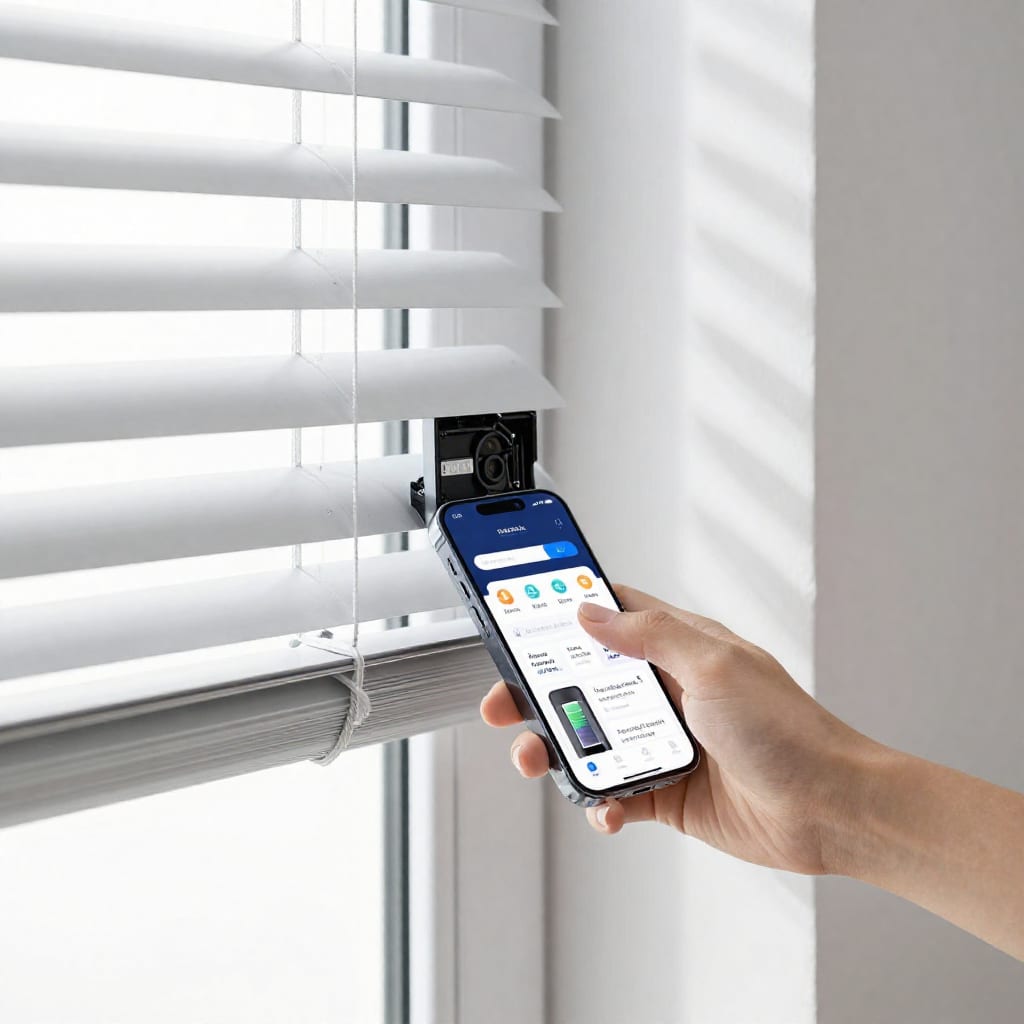
Smart blinds are one of the most expensive smart home upgrades you can make, and launch-day versions are a bad deal. They usually cost $200–$500 per window, and the first-gen models often have limited integration. I helped a friend install a set from a new brand in 2024. The blinds worked with Alexa but not HomeKit, the battery compartment was poorly designed (you had to remove the entire blind to replace the battery), and the app was buggy. Within three months, the brand released a “version 2” with HomeKit support and a better battery system. The original buyers were stuck. If you want smart blinds, wait for a second-gen model or a significant price drop. The technology is still evolving, and you don’t want to be the beta tester for a $2,000 investment.
How to Spot a Smart Home Device Worth Your Money on Day One
Instead of relying on hype, use this simple framework to evaluate any new smart home device at launch. I’ve refined this list after years of trial and error—feel free to bookmark it for your next purchase.
- Check Matter certification. If the device is Matter-certified (official CSA certification, not just a promise), it’s more likely to work with your existing ecosystem. Verify on the CSA website.
- Look for an open API or local control. Devices that support local control (no cloud dependency) are more reliable and last longer. For example, a camera that supports RTSP or ONVIF is better than one that only works through a proprietary app.
- Read real user reviews, not influencer ones. Check Reddit, community forums, or Amazon verified reviews at least two weeks after launch. Focus on connectivity, battery life, and feature completeness.
- Check the return policy. A generous return policy (30+ days, no restocking fee) is a sign the company stands behind its product. Avoid devices with 14-day return windows or “final sale” policies.
- Wait for the first firmware update. If a device launches with a known bug, wait for the first patch. Companies that push updates quickly (within 2–3 weeks) are worth trusting. If the bug persists for months, skip it.
One counter-intuitive insight: devices that are “boring” often make the best launch-day buys. Smart plugs, simple sensors, and switches rarely fail. The flashy devices with AI, voice control, or fancy designs are the ones that need time to mature. Trust the basics, and you’ll save money and frustration.
Frequently Asked Questions
Is it ever worth buying a smart home device on day one?
Yes, if the device uses a mature platform like Matter or comes from a brand with a history of solid post-launch support (e.g., Philips Hue, Lutron). Avoid first-gen products from new brands.
What's the biggest risk of buying a smart home device at launch?
Unfinished firmware that causes connectivity issues, missing promised features, and a price drop within 3 months. Also, poor integration with existing hubs or voice assistants.
How long should I wait after a smart home device launches?
At least 3–6 months to let early bugs surface and for the first firmware update to roll out. Check user forums and Reddit for real-world feedback before buying.
Are smart home devices with Matter certification safer to buy at launch?
Generally yes, because Matter mandates interoperability and baseline reliability. But even Matter devices can have software bugs, so still wait for reviews if possible.
What should I look for in a launch-day review of a smart home device?
Focus on real-world connectivity tests (not just unboxing), integration with your specific hub (e.g., HomeKit, Alexa, SmartThings), and battery life if wireless. Avoid reviews from paid influencers.
Practical Takeaway
Smart home launches are exciting, but don’t let the hype cloud your judgment. Stick to the safe bets—Matter hubs, established brand cameras, and simple plugs—and skip the flashy first-gen locks, voice assistants, and expensive blinds. Wait 3–6 months for real-world feedback, and you’ll get a better device at a lower price. Your wallet—and your Wi-Fi network—will thank you. Worth bookmarking before your next launch-day spree.