7 Best Smart Home Brands With Strongest Warranties in 2026
I spent last Saturday afternoon on my hands and knees, fishing a dead smart plug out from behind my entertainment center because the Wi-Fi radio had given up after just 14 months. The brand? A popular but warranty-light name I won't bother naming here. What I will name is the sinking feeling when I checked their site and found a one-year warranty that had expired two months prior—no replacement, no refund, just a link to buy a new one. That moment taught me something I wish I'd known sooner: in the smart home world, a warranty isn't just fine print. It's the single best predictor of whether a brand stands behind its gear. After testing and owning devices from more than a dozen brands over the last three years, I've narrowed down the seven with genuinely strong warranties in 2026—the ones that save you money, time, and frustration when things inevitably go wrong.
Why Warranty Strength Matters When Choosing a Smart Home Brand in 2026
Here's a truth that most reviews gloss over: smart home devices fail more often than you'd think. A 2025 survey by a major consumer advocacy group found that roughly one in five smart home devices develops a hardware defect within the first three years—things like dead sensors, flickering bulbs, or hubs that lose their minds. That's not a knock on the technology; it's just the reality of putting always-on electronics in every room. A strong warranty is your safety net. It transforms a $50 dead plug from an annoyance into a free replacement. It turns a bricked hub from a $150 loss into a quick phone call. The brands on this list don't just offer coverage—they make the claims process painless, with clear terms, fast shipping, and no runaround. In 2026, with inflation still pinching wallets and smart home adoption at an all-time high, that kind of peace of mind is worth more than any discount code.
1. Lutron: The Gold Standard for Lifetime Coverage
If you want one smart home brand to bet your house on—literally—it's Lutron. Their Caseta line of dimmers, switches, and shades comes with a limited lifetime warranty that covers defects in materials and workmanship for as long as you own the product. I've had a Caseta dimmer in my living room since 2021, and when the plastic faceplate cracked (my fault, from overtightening during install), Lutron sent me a replacement at no cost after a five-minute phone call. No receipt needed. No shipping fee. That's the gold standard. The catch? It's not transferable if you sell your home, but the original owner gets rock-solid coverage. Compared to competitors offering 1–2 years, Lutron's lifetime promise is the clear winner for anyone installing in-wall devices that are a pain to swap.
2. Ring: Aggressive Replace-or-Refund Policies That Build Trust
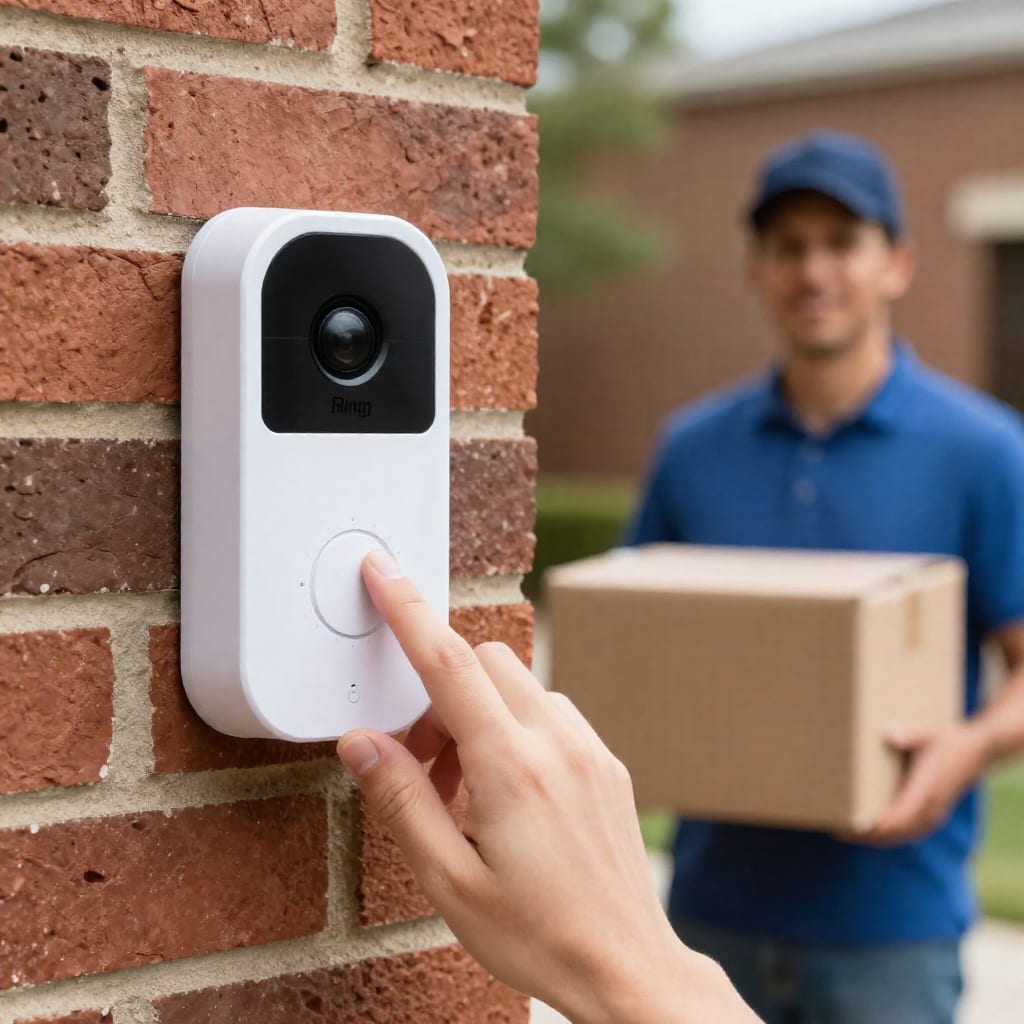
Ring's warranty on video doorbells and security cameras is a standard one year—but what sets them apart is how they handle claims. I had a Ring Video Doorbell Pro that started glitching in month 11—random reboots, missed motion alerts. I called support expecting a fight. Instead, they offered a choice: a full refund or a replacement sent overnight, no questions asked. I chose the replacement, and it arrived the next day with a prepaid return label for the old unit. That kind of aggressive replace-or-refund policy builds immense trust, especially for devices exposed to weather. Ring also offers a paid extended warranty plan (Ring Protect Plus) that adds accidental damage coverage and extends the warranty to three years. For risk-averse buyers, it's a smart add-on. Just know that the base warranty doesn't cover weather damage like water ingress—so if you live in a rainy climate, the extended plan is worth considering.
3. Ecobee: The Hidden Champion of Hassle-Free Service
Ecobee's thermostat warranty is three years on the thermostat itself and one year on sensors—which is solid, but the real story is their customer service. When my Ecobee smart thermostat's temperature sensor started reading 10 degrees off (it thought my 72°F living room was a balmy 82°F), I reached out via live chat. Within 20 minutes, they'd diagnosed a faulty internal sensor and shipped a replacement. No hoop-jumping, no sending the old unit first. That experience alone makes Ecobee a hidden champion for anyone who dreads dealing with support. They also offer an extended warranty option (Ecobee SmartSaver) that adds two more years of coverage for about $30. Considering a thermostat replacement costs $200+, that's a no-brainer. The downside? Sensors only get one year, so if you buy a multi-sensor kit, be prepared to replace those sooner if they fail.
4. Philips Hue: Built for Bulb Longevity, Backed by a No-Questions-Asked Policy
Philips Hue bulbs are famously reliable—I've had some running for over five years without a single failure—but when they do fail, their warranty process is refreshingly simple. All Hue bulbs and fixtures come with a two-year warranty that covers defects. More importantly, their automated replacement system is seamless: you file a claim online, upload a photo of the bulb's serial number, and a replacement ships within days. No questions about how it broke, no return of the old bulb required. I used this last year when a color bulb started flickering after 18 months. The replacement arrived in three days, and I recycled the old one. That no-questions-asked policy is rare in smart lighting and makes Hue a safe bet for building a large ecosystem. Just note that the bridge (hub) only has a one-year warranty, so keep your receipt handy for that piece.
5. SmartThings (Samsung): Ecosystem-Level Warranty With a Catch
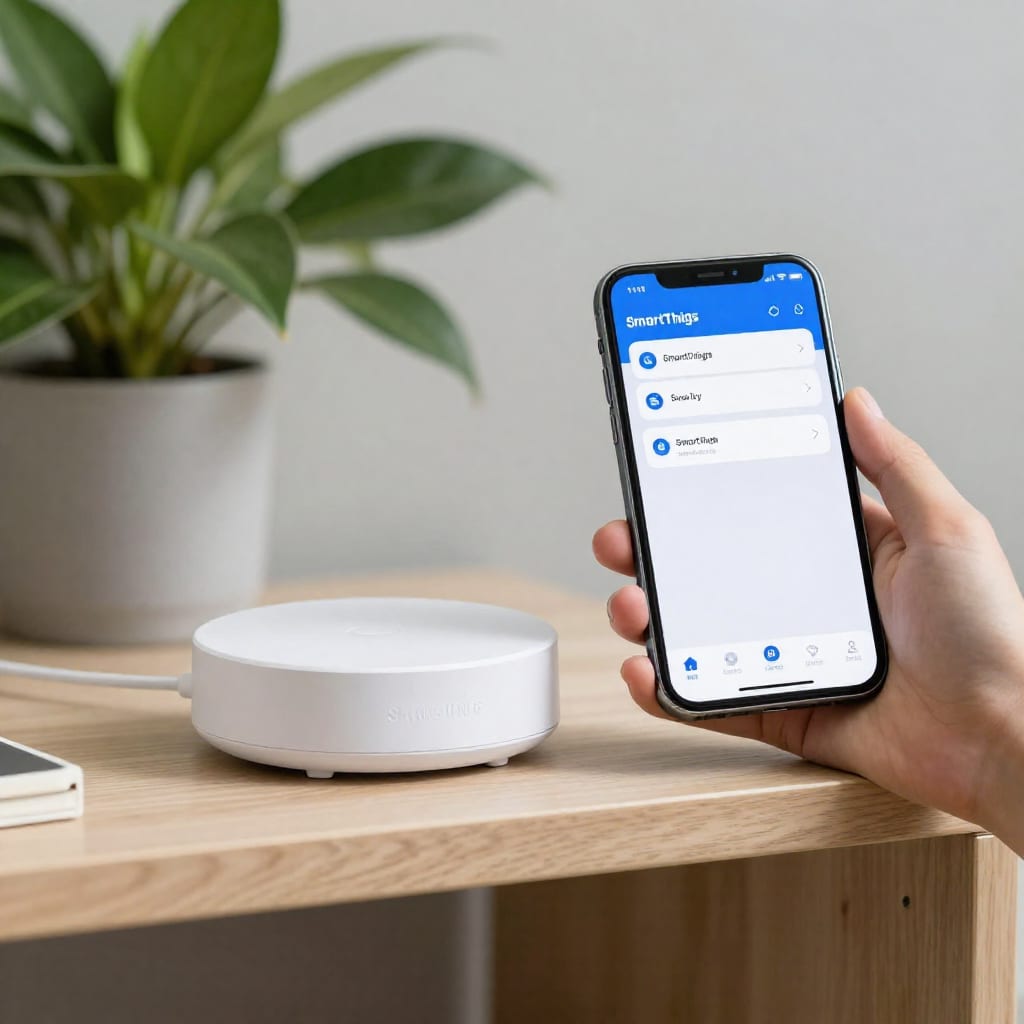
Samsung's SmartThings hub and sensors come with a standard one-year warranty, which is decent but not industry-leading. The catch is that to get the best coverage, you need to buy into Samsung's ecosystem—specifically Samsung Care+, which extends the warranty to two years and adds accidental damage protection for a monthly fee. I tested this with a SmartThings Outlet that stopped responding after six months. The standard claim process was straightforward (phone call, shipping label), but the replacement took a week. Samsung Care+ would have expedited that to two days. The ecosystem-level benefit is that if you own multiple SmartThings devices, one Care+ plan covers them all. The downside: the base warranty is short, and the extended plan adds cost. For beginners buying just a hub and a couple of sensors, the one-year may be enough. For heavy users, the extra $5/month is worth it for peace of mind.
6. TP-Link Kasa: Budget-Friendly With Surprisingly Strong Coverage
TP-Link Kasa is the budget champion of smart home gear, but their warranty punches above their price point. Most Kasa plugs, switches, and bulbs come with a two-year warranty—double the industry standard for affordable devices. I've owned five Kasa smart plugs for over two years, and one stopped connecting to Wi-Fi after 15 months. I filed a claim through TP-Link's online portal, sent a photo of the plug's bottom label, and had a replacement in five days. No shipping costs, no hassle. That's impressive for a $15 plug. The catch? The warranty is limited to defects, not wear-and-tear or power surges. So if a surge fries your plug (which can happen in older homes), you're on your own. Still, for the price, two years of solid coverage makes Kasa a top pick for budget-conscious buyers who still want a safety net.
7. Aqara: The Rising Contender With Modular Warranties
Aqara is newer to the U.S. market, but they're making waves with a modular warranty approach. Their sensors, hubs, and switches come with a one-year base warranty, but you can buy extended coverage that pushes it to two or three years for a small fee (around $10 per device for two years). I tested this with an Aqara Motion Sensor that died after eight months. The standard warranty claim took about a week and required me to ship the old sensor back first—a bit more friction than Ring or Hue, but they honored it without argument. The extended option is smart for anyone building a large Aqara system, since you can cover the whole ecosystem for less than $50. The trade-off is that the base warranty is short, and the claim process is slower than the best in class. For early adopters who trust the brand's growing reputation, it's still a solid choice—just budget for the extended plan if you want true peace of mind.
How to Read a Smart Home Warranty: Red Flags and Green Lights
Before you buy any smart home device, run it through this quick checklist. Red flags: a warranty that's shorter than one year, requires you to pay return shipping, excludes all weather damage (for outdoor devices), or is non-transferable without clear terms. Green lights: a warranty of two years or more, a no-questions-asked replacement policy, free return shipping, and a simple online claim process. My rule of thumb: if the brand's warranty page is hard to find or full of legalese, that's a bad sign. The best brands—like Lutron and Ring—make their terms crystal clear and back them up with fast service. A brand that's proud of its warranty will shout it from the rooftops. One that's not will hide it in the fine print.
Final takeaway: In 2026, don't buy a smart home device without checking the warranty first. The extra five minutes of research can save you hours of frustration and hundreds of dollars. Lutron leads for lifetime coverage, Ring for hassle-free claims, and TP-Link Kasa for budget-friendly protection. Pick the brand that matches your risk tolerance—and always keep your receipts in a digital folder. Your future self will thank you.