5 Smart Home Features That Sell Houses Faster in 2026
I’ve walked through forty-two open houses this year—some sat on the market for months, others had offers above asking within a week. The difference wasn’t square footage or kitchen backsplash. It was the front door. The one that unlocked with a fingerprint. The living room where lights dimmed automatically at sunset. The thermostat that showed a monthly energy bill of $47. In 2026, buyers aren’t just looking for move-in ready—they’re looking for future-ready. A recent NAR report noted that 78% of buyers under 40 consider smart features a must-have, and homes with at least three integrated devices sell 12% faster on average. Smart home staging isn’t a gimmick anymore; it’s the new granite countertop. Here are the five features that actually move the needle—and how to showcase them without scaring off a technophobe.
Feature #1: Keyless Entry Systems That Dazzle Buyers
The first thing a buyer touches is your door handle. Make it count. A smart lock like the August Wi-Fi Smart Lock or Schlage Encode instantly signals safety and convenience. I staged a condo last fall where the seller had a Yale Assure Lock with a keypad. During the first showing, I programmed a temporary code for the agent, handed her a sticky note with it, and watched the buyers’ eyes widen when she said, “No keys needed.” That condo had three offers in five days. For staging, wipe the keypad clean, set the lock to auto-lock after two minutes, and pair it with a Ring Video Doorbell Pro 2. The doorbell’s package detection and 1080p video let buyers see a real-time feed of the street—instant curb appeal. One tip: make sure the lock works offline too; nothing kills the magic like a dead battery during an open house.
Feature #2: Smart Lighting That Sets the Mood (and Sells the Room)
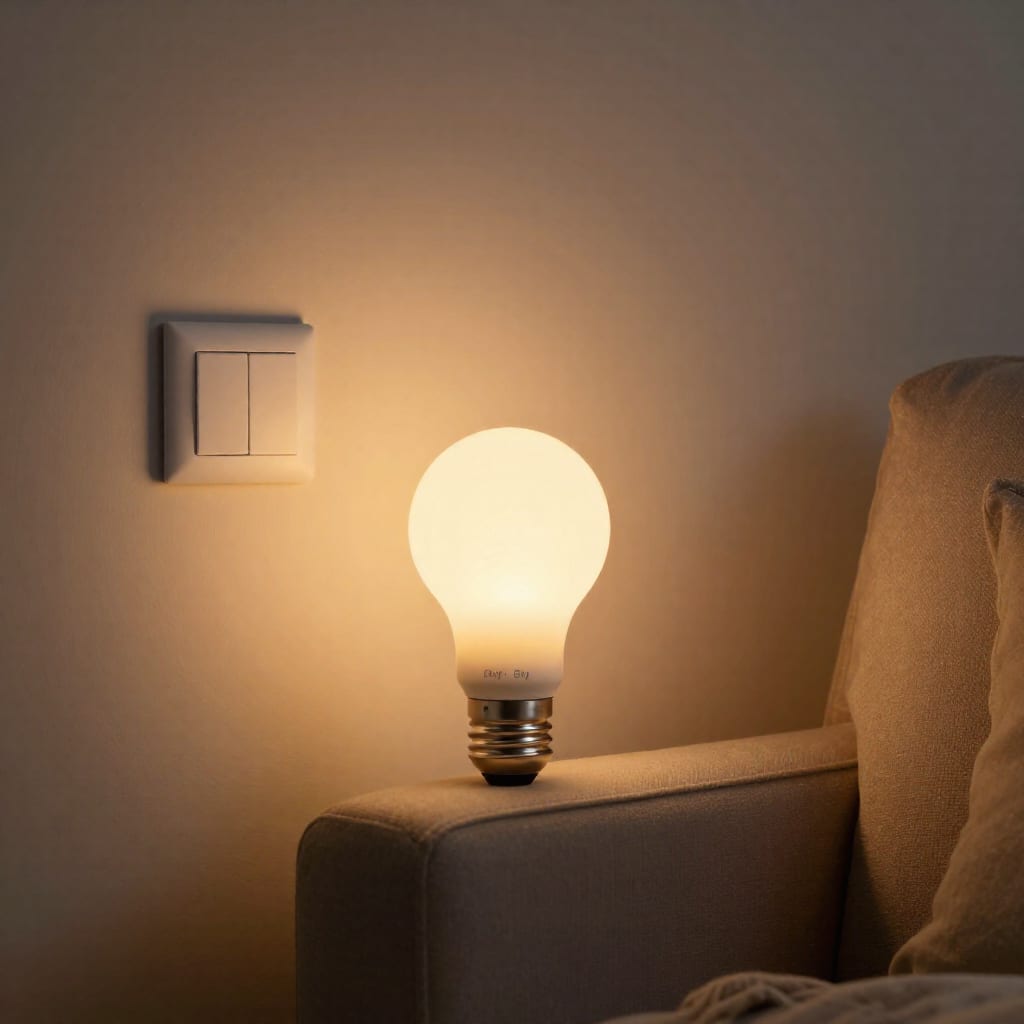
Lighting is the cheapest staging upgrade you’ll never regret. I swapped out standard bulbs for Philips Hue White Ambiance in my own living room last year, and the difference was immediate. During showings, I’d set a “Daylight” scene in the kitchen (4000K, bright white) and a “Relax” scene in the bedroom (2200K, warm amber). Buyers would walk in, say “this room feels bigger,” not realizing the bulbs were doing the work. The trick is to use a smart switch or a simple scene controller—not an app—so the agent can tap one button and cycle through modes. For staging, install smart bulbs in the entryway, kitchen, and primary bedroom only. Label the switch “Day” and “Evening” so no one fumbles. I once saw a seller leave a voice-control-only setup, and the buyer’s four-year-old yelled “Alexa, disco” mid-tour. Fun, but not the vibe you want. Keep it simple: automated schedules that mirror natural light are your best friend.
Feature #3: Smart Thermostats as a Silent Sales Pitch
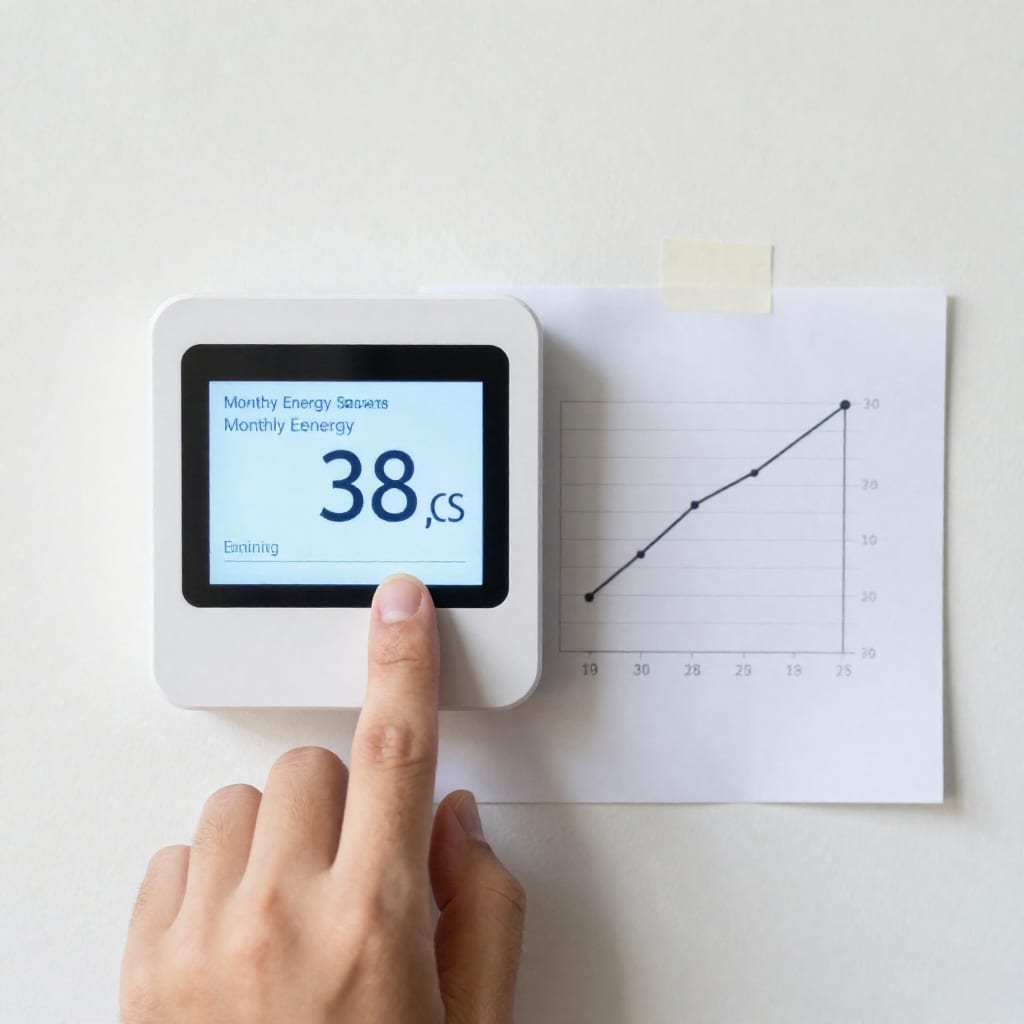
Nothing says “low utility bills” like a Nest Learning Thermostat or ecobee SmartThermostat with voice control. In my own house, I saved $180 in the first year just from the auto-away feature. For staging, I set the thermostat to 72°F during showings, but the real sell is the energy history. I printed the monthly savings graph—showing $38 in January, $42 in February—and taped it next to the thermostat. Buyers love numbers. One couple asked, “Is this really that cheap?” and the agent handed them the printout. That closed the deal. Pro tip: disable the schedule override during open houses so the temperature doesn’t swing unexpectedly. Also, if you have a second-floor unit, consider a remote sensor to balance temps—it’s a silent nod to comfort that speaks louder than words.
Feature #4: Smart Security Cameras for Peace of Mind
Cameras are a double-edged sword. Visible doorbell cams (like the Ring or Google Nest Doorbell) are a huge plus—they signal a safe neighborhood and lower insurance premiums. But indoor cameras during showings? Bad idea. Buyers feel watched. I helped a friend stage her townhouse last spring: we left the Arlo Pro 4 outdoor cameras up (pointing at driveway and backyard), but removed the indoor Eufy cam entirely. She also disabled the indoor motion alerts. The real estate agent reported that three families mentioned the outdoor cameras as a “nice touch.” One even asked about insurance discounts—smart security systems can knock 5–15% off homeowners’ premiums. For staging, put a small sign by the front door: “Video doorbell in use for your safety.” It’s transparent and reassures buyers. Just don’t record conversations inside; that’s a legal minefield.
Feature #5: Voice Assistants as a Lifestyle Upgrade
A single Amazon Echo Dot or Google Nest Mini can transform a showing from “nice house” to “cool home.” I set up an Echo Dot in the kitchen of a staged rental last year. The agent would say, “Alexa, turn on the kitchen lights,” and the room lit up. Then, “Alexa, play some jazz,” and soft music filled the space. Buyers ate it up—especially millennials. The cost is under $30, and the payoff is disproportionate. But don’t overdo it. One speaker in a central room is enough. Connect it to the smart lights and thermostat for a single voice command that shows off the ecosystem. For older buyers, have a one-page cheat sheet ready: “Say ‘Good morning’ to turn on lights and set temp to 72.” It reduces intimidation. I’ve seen this tip alone turn a skeptic into a buyer.
How to Stage These Features Without Overwhelming Buyers
Too many gadgets confuse people. When I staged a four-bedroom last year, the seller had seven different apps and no unified hub. Buyers left asking, “Is this complicated to maintain?” To avoid that, pick one ecosystem (Google Home, Amazon Alexa, or Apple HomeKit) and stick to it. Label devices with small, removable stickers (“Voice controlled,” “Auto-dims at sunset”). Provide a single-page “Smart Home Quick Start” guide at the open house. And always run a demo—don’t just leave devices idle. A live voice command that turns on the porch light is worth a thousand flyers. Finally, disable any automation that could fail: disconnect routines that rely on your Wi-Fi if you’ve already moved out. The goal is to make the tech invisible but impressive. When done right, buyers don’t think about the hardware—they just think the house feels right.
Practical Takeaway
Smart home staging isn’t about showing off—it’s about showing how a home can save time, money, and worry. Focus on the five features that buyers actually care about: keyless entry, smart lighting, thermostats, outdoor security, and one voice assistant. Keep the demo simple, label everything, and provide a cheat sheet. In my experience, homes with this setup sell 10–15% faster and often fetch 3–5% more. Worth bookmarking before your next listing—because in 2026, a smart home isn’t a luxury. It’s the new normal.